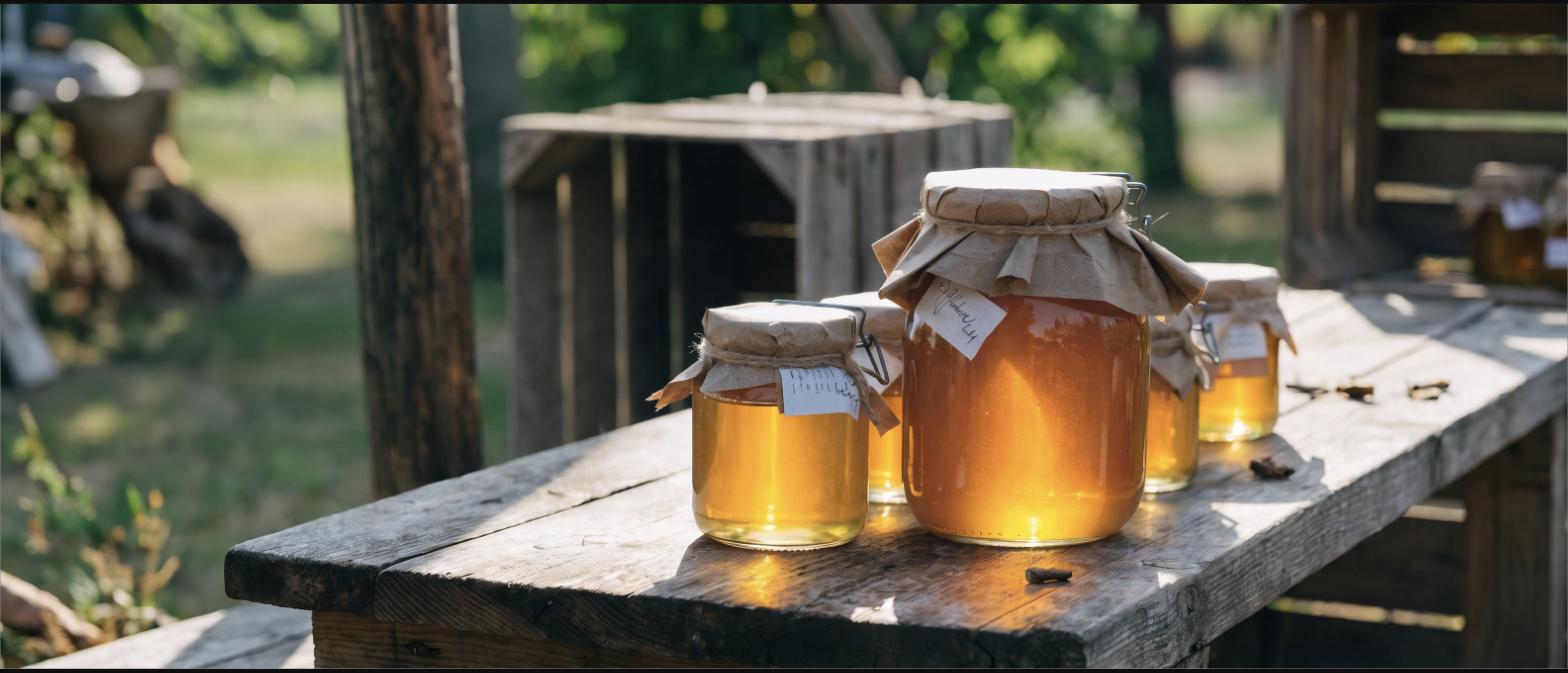
Half the fun of building a towel cake is deciding what to tuck between the layers. Kitchen tools for a bridal shower, tiny socks for a baby shower, something a little cheeky for a hen night. The trick is finding fillers that feel considered rather than random, and one of the best is also one of the simplest: a jar of honey from a beekeeper near you.
Why Local, Specifically
Most supermarket honey is blended from several countries and pasteurized, which is done for shelf appeal rather than flavor. Heating thins it, keeps it clear and stops it crystallizing on the shelf, but it also strips out much of the pollen and the delicate aromatic compounds that make honey taste of anywhere at all.
Raw honey from a nearby apiary is the opposite. It tastes of whatever was blooming within a few miles of those hives, which means clover honey from one county genuinely does not taste like wildflower honey from the next. As a gift, that is the whole point. It is a jar of somewhere.
What It Actually Does
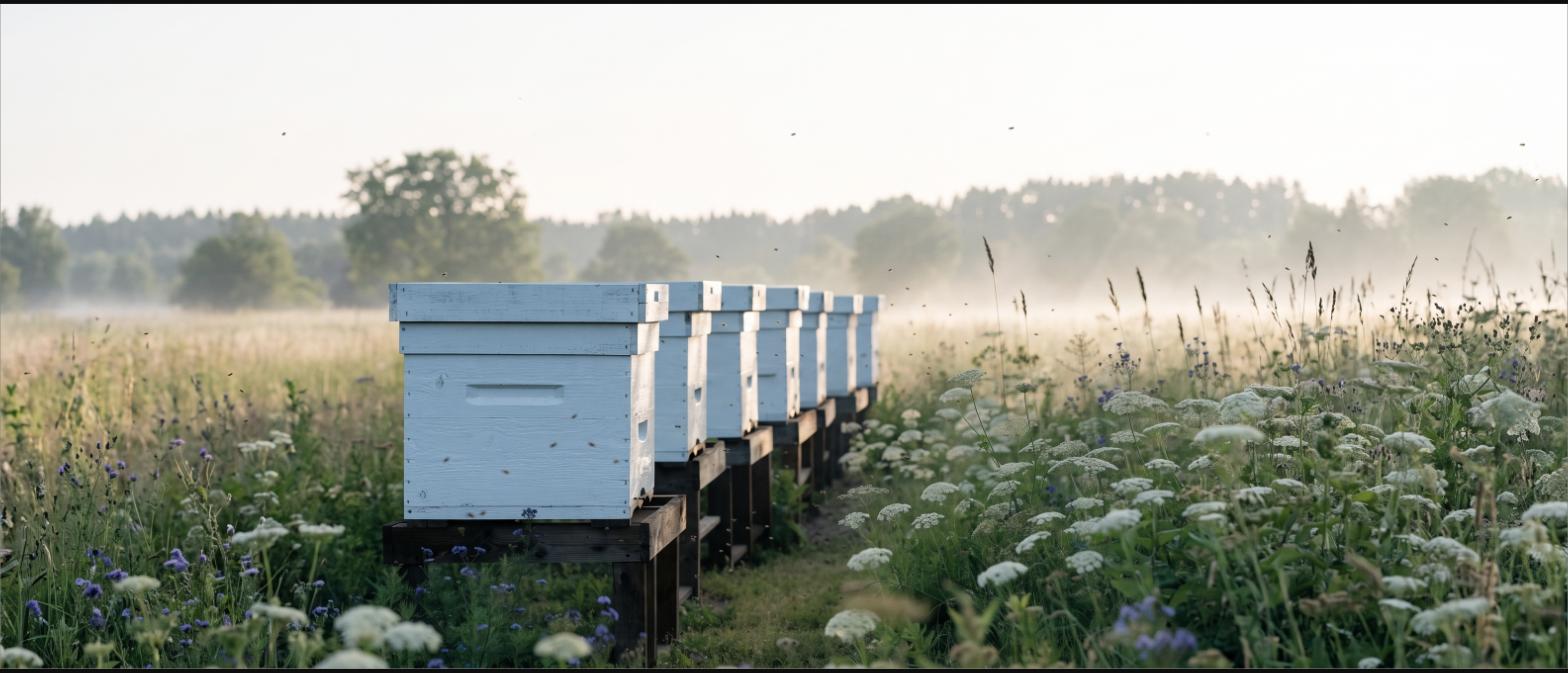
Honey is genuinely useful, and worth being accurate about. It is mildly antibacterial, largely because it is too low in water for microbes to thrive in, which is why it keeps almost indefinitely and why it has been used on minor wounds for centuries. It soothes a sore throat, and there is decent evidence it calms a night-time cough about as well as over-the-counter syrups do.
The claim you hear most often, that eating local honey builds tolerance to pollen allergies, is the one with the least evidence behind it. Trials have not really borne it out, largely because the pollen that makes people sneeze is wind-blown grass and tree pollen rather than the flower pollen bees collect. It is a lovely idea and probably not true. For the fuller picture, this rundown of the benefits local honey brings to the table covers the ground well.

Watch: EVERYTHING You Need To Know About LOCAL RAW HONEY (YouTube)
One Rule for Baby Showers
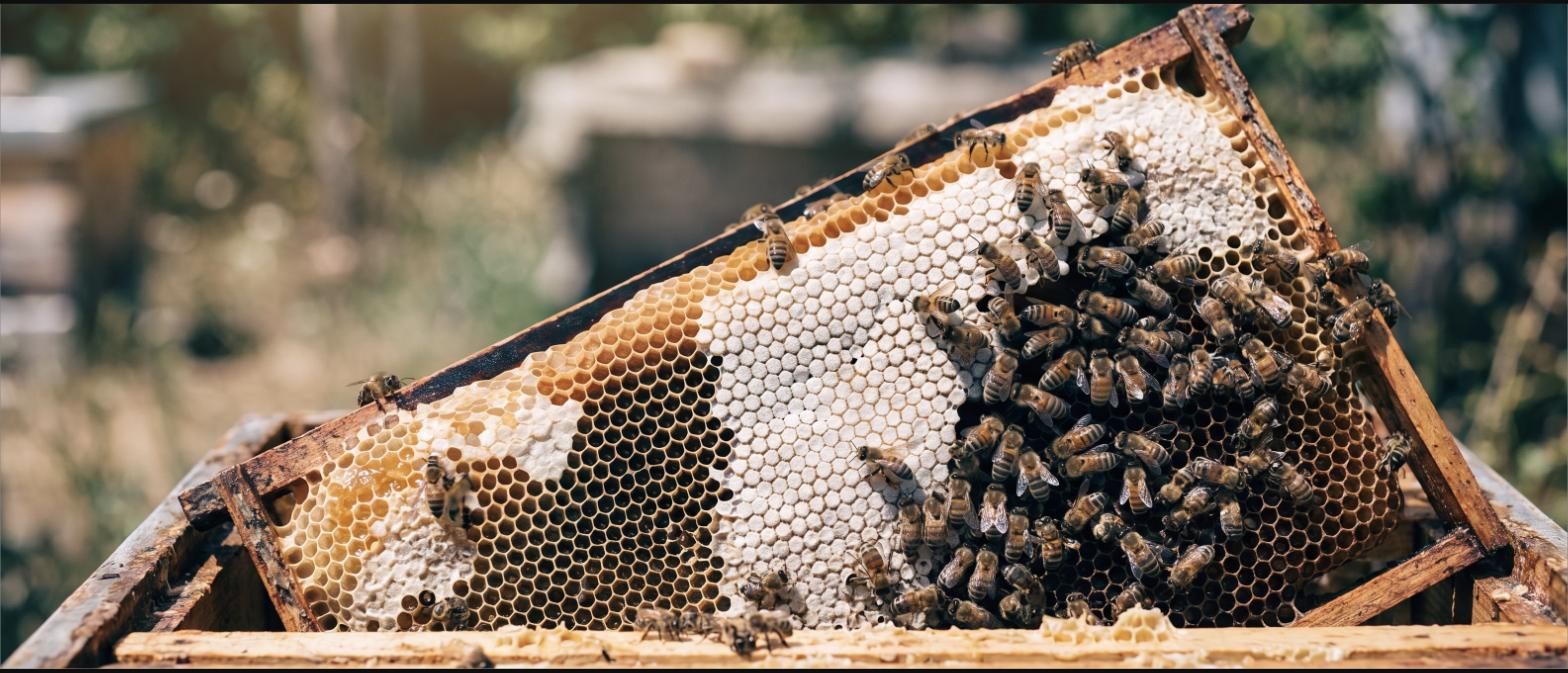
This one matters. Honey should never be given to a baby under twelve months old, raw or otherwise, because of the risk of infant botulism. An infant gut cannot handle spores that an adult gut deals with easily.
So if you are building a diaper cake, the honey is a present for the parents, not the baby, and it is worth saying so on the tag. Pair it with a good tea, a lemon and a note about surviving the first few weeks and it becomes rather thoughtful.
How to Work It In
A hex jar sits neatly in the top tier of a three-layer cake. A smaller jar tucks between rolls without unbalancing anything. Add a wooden dipper, tie the ribbon around both, and you have a filler that looks deliberate rather than like something grabbed on the way over.
It is inexpensive, it is local, it will actually get used, and nobody ever unwrapped one and thought it was filler. That is a good gift.